
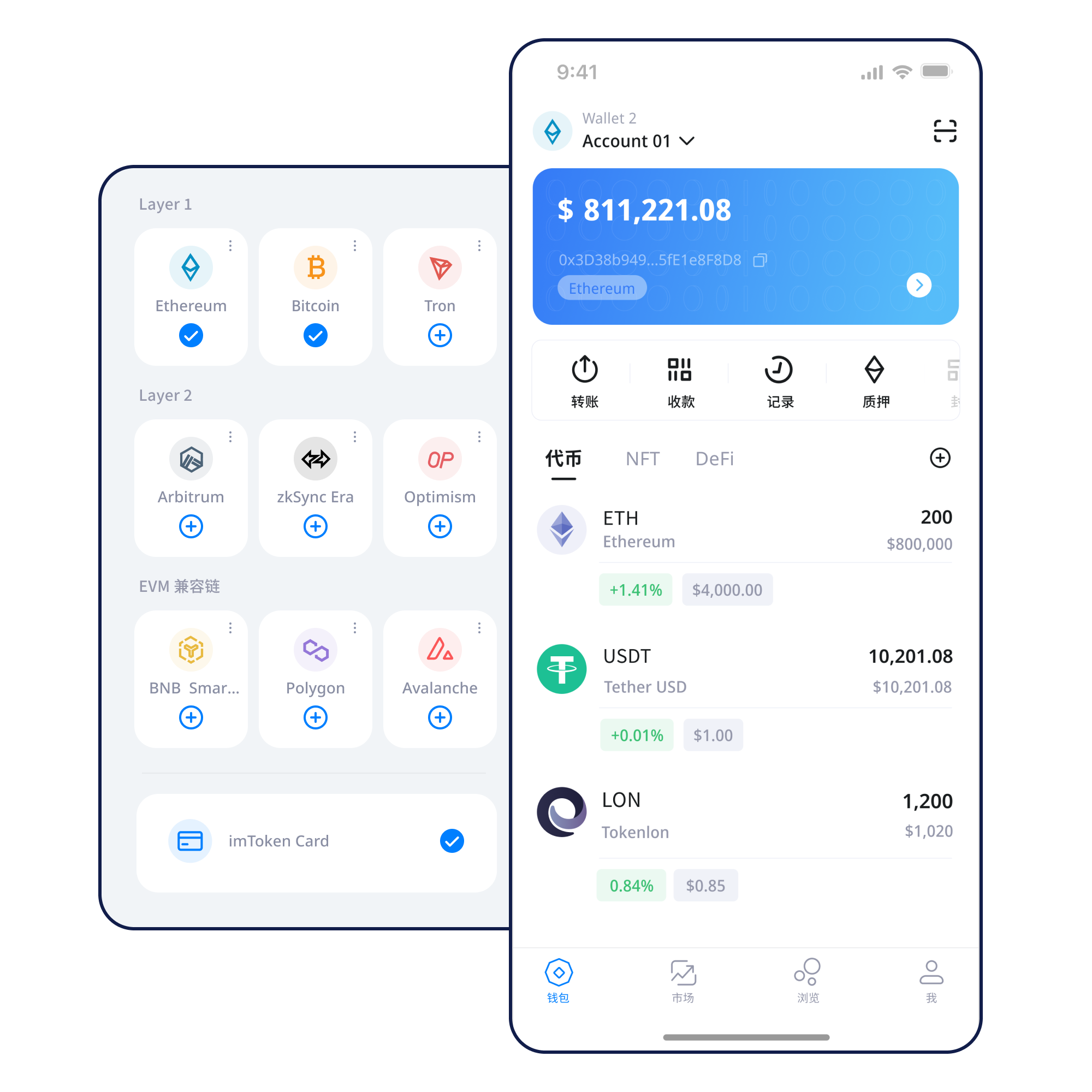
What a browser connection means
Practical focus: What a browser connection means
The purpose of “What a browser connection means” is not to memorize a screen layout but to understand the decision process behind imtoken Web. A multi-chain wallet does not merge separate blockchains into one ledger. It gives users a clearer view of assets that still live on their respective networks. This distinction prevents many mistakes caused by familiar-looking interfaces.
Similar-looking addresses do not remove the need to verify the selected network. Balances, gas assets, contract deployments, and transaction histories remain network-specific. A practical review order is consistent across interfaces: confirm the active network, verify the address or contract, read the amount or permission scope, and then decide how the result will be checked on-chain. This keeps the workflow useful even when a product interface changes.
If something does not match expectations, avoid repeatedly submitting the same action. Preserve the transaction hash when available, verify the current network through a known block explorer, and review any recent approvals or network changes. Third-party DApps and contracts can introduce separate risks, so unusual prompts deserve an independent check.
Account and network requests
Practical focus: Account and network requests
The purpose of “Account and network requests” is not to memorize a screen layout but to understand the decision process behind imtoken Web. Similar-looking addresses do not remove the need to verify the selected network. Balances, gas assets, contract deployments, and transaction histories remain network-specific. In practice, verifying context before acting is more reliable than trying to repair an irreversible action later.
Transaction history is most useful when paired with a transaction hash and a block explorer. The wallet is a convenient interface, while the chain record is the stronger reference for status. A practical review order is consistent across interfaces: confirm the active network, verify the address or contract, read the amount or permission scope, and then decide how the result will be checked on-chain. This keeps the workflow useful even when a product interface changes.
If something does not match expectations, avoid repeatedly submitting the same action. Preserve the transaction hash when available, verify the current network through a known block explorer, and review any recent approvals or network changes. Third-party DApps and contracts can introduce separate risks, so unusual prompts deserve an independent check.
- Verify the active network and target
- Never share a seed phrase, private key, or verification code
- Keep the transaction hash or other useful on-chain verification details
Review signatures and approvals
Practical focus: Review signatures and approvals
The purpose of “Review signatures and approvals” is not to memorize a screen layout but to understand the decision process behind imtoken Web. Transaction history is most useful when paired with a transaction hash and a block explorer. The wallet is a convenient interface, while the chain record is the stronger reference for status. For on-chain activity, it helps to keep the network, target, and verifiable outcome in view at all times.
A missing token display does not necessarily mean funds are gone. A wrong network, an unlisted token contract, or delayed indexing can all affect what appears in the interface. A practical review order is consistent across interfaces: confirm the active network, verify the address or contract, read the amount or permission scope, and then decide how the result will be checked on-chain. This keeps the workflow useful even when a product interface changes.
If something does not match expectations, avoid repeatedly submitting the same action. Preserve the transaction hash when available, verify the current network through a known block explorer, and review any recent approvals or network changes. Third-party DApps and contracts can introduce separate risks, so unusual prompts deserve an independent check.
Disconnect when the session is done
Practical focus: Disconnect when the session is done
The purpose of “Disconnect when the session is done” is not to memorize a screen layout but to understand the decision process behind imtoken Web. A missing token display does not necessarily mean funds are gone. A wrong network, an unlisted token contract, or delayed indexing can all affect what appears in the interface. These fundamentals directly affect the quality of decisions around transfers, signatures, and approvals.
A multi-chain wallet does not merge separate blockchains into one ledger. It gives users a clearer view of assets that still live on their respective networks. A practical review order is consistent across interfaces: confirm the active network, verify the address or contract, read the amount or permission scope, and then decide how the result will be checked on-chain. This keeps the workflow useful even when a product interface changes.
If something does not match expectations, avoid repeatedly submitting the same action. Preserve the transaction hash when available, verify the current network through a known block explorer, and review any recent approvals or network changes. Third-party DApps and contracts can introduce separate risks, so unusual prompts deserve an independent check.
- Verify the active network and target
- Never share a seed phrase, private key, or verification code
- Keep the transaction hash or other useful on-chain verification details
Reduce browser-related risk
Practical focus: Reduce browser-related risk
The purpose of “Reduce browser-related risk” is not to memorize a screen layout but to understand the decision process behind imtoken Web. A multi-chain wallet does not merge separate blockchains into one ledger. It gives users a clearer view of assets that still live on their respective networks. A repeatable review routine reduces errors caused by urgency or habitual clicking.
Similar-looking addresses do not remove the need to verify the selected network. Balances, gas assets, contract deployments, and transaction histories remain network-specific. A practical review order is consistent across interfaces: confirm the active network, verify the address or contract, read the amount or permission scope, and then decide how the result will be checked on-chain. This keeps the workflow useful even when a product interface changes.
If something does not match expectations, avoid repeatedly submitting the same action. Preserve the transaction hash when available, verify the current network through a known block explorer, and review any recent approvals or network changes. Third-party DApps and contracts can introduce separate risks, so unusual prompts deserve an independent check.
A final security principle
Your seed phrase and private keys should remain under your control. imtoken staff will never ask for them. On-chain transactions usually cannot be reversed by a wallet alone, and third-party DApps or smart contracts can carry independent risks.